








What Are the Most Common Causes of Hidden Roof Leaks in New Orleans, LA?
 Hidden roof leaks can sneak up on any homeowner in New Orleans. High humidity, heavy downpours, and storm‑driven winds push water into the smallest gaps. If you see a stain on your ceiling or smell a musty odor, the problem likely started weeks ago. Getting trusted roof repairs quickly stops small leaks from turning into major damage.
Why Hidden Roof Leaks Happen In New Orleans Homes
Our climate is tough on roofs. Sun bakes sealants, sudden showers hit hot shingles, and afternoon thunderstorms send wind‑blown rain under laps and edges. Older homes in areas like Uptown, Mid‑City, and the Bywater often have complex rooflines and multiple add‑ons that create more joints and transitions. Each transition is a chance for water to find a path inside.
Shingle roofs age as granules wear away and nails loosen. Flat roofs in neighborhoods like the Warehouse District and New Orleans East face ponding water, which stresses seams and coatings. Tile, slate, and metal perform well, but they still rely on correct flashings and underlayment to stay watertight.
The Most Common Places Leaks Hide
Water rarely falls straight down. It follows gravity, wind, and even capillary pull. That is why the source of a ceiling stain is often several feet from where it shows indoors. The usual culprits include:
- Step, headwall, and chimney flashings where a roof meets a wall or masonry
- Plumbing vent boots and exhaust fan penetrations with cracked rubber collars
- Skylight perimeters and curb flashings that lose sealant or shift with movement
- Valleys that collect debris and slow water, especially after summer storms
- Ponding areas on low‑slope and flat roofs that weaken seams over time
- Parapet caps and stucco transitions that wick water behind the membrane
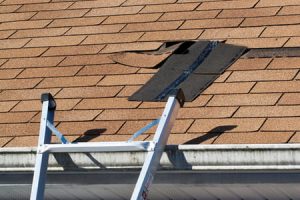
- Nail pops, lifted shingles, or slipped tiles that open a path for wind‑driven rain
On historic and raised homes, porch tie‑ins and roof‑to‑wall transitions are frequent leak points. When these joints are flashed without kickout pieces or counterflashing, water can track behind siding and show up inside as a slow, stubborn leak.
Weather Patterns That Trigger Leaks In New Orleans
Local weather shapes how and where leaks start. Short, intense downpours can overwhelm small defects that stayed dry during light rain. Summer UV breaks down exposed sealants. Tropical systems push rain sideways, so even a modest gap at a shingle edge can take on water. After a cold front, strong north winds can drive rain back up under ridge vents if baffles are damaged or missing.
Storm‑driven rain can bypass normal defenses, so a roof that looks fine from the street may still be taking on water at flashings or vents.
Warning Signs You Can Spot Indoors
You do not need to climb a ladder to know something is wrong. Keep an eye out for these indoor clues and call a pro if you notice them:
- Brown or yellow ceiling spots that grow or reappear after rain
- Peeling paint, swollen trim, or soft drywall around exterior walls
- Musty smells in closets or hallways, especially after a storm
- Attic insulation that feels damp or shows dark streaks along rafters
Never ignore ceiling water damage. Moisture spreads sideways through insulation and framing, so what you see is usually smaller than the real problem.
Why Fast, Professional Roof Leak Repair Matters
Hidden leaks do more than stain paint. They can rot decking, rust fasteners, and create conditions for mold. Quick action protects your structure and your indoor air. A local roof leak repair visit also documents storm‑related damage while it is fresh, which helps if you later talk with your insurer.
Many homeowners ask if a quick patch is enough or if bigger work is needed. This depends on the leak’s cause, your roof’s age, and whether damage is isolated or widespread. For a deeper look at that decision, you can read our related post on the signs you need roof repairs vs. a full replacement.
Local insight: After a Gulf storm, some leaks show up days later as trapped moisture wicks through drywall. If a room smells musty or a stain grows after bad weather, schedule a professional check right away.
Safety reminder: Stay off wet roofs. Slippery shingles and slick coatings are hazardous even for pros.
How Pros Track Down The True Source
Finding the real entry point is part science, part experience. A trained roofer studies roof geometry, wind direction, and the pattern of staining. They examine penetrations and step flashings first, then work uphill to rule out higher sources. On flat roofs, they check for ponding, open seams, and parapet details. Thermal imaging and moisture meters can confirm what the eye suspects without tearing open large areas.
The goal is to fix the cause, not just the symptom. That means renewing failed flashings, replacing compromised underlayment, and sealing fasteners the right way, not with surface caulk that washes out next rain.
Flashing And Transitions: The Number One Leak Zone
Most hidden leaks begin where materials meet. Step and headwall flashings must overlap correctly and stay tight against siding or brick. Chimney flashings need base, step, and counterflashing that work together. If these pieces are missing or installed out of sequence, water slips behind them and travels along framing until it finds a way indoors.
When flashing is the issue, a targeted repair restores the system and stops the problem at its source. Learn more about these details on our roof flashing service page.
Flat Roofs And Ponding Water
In areas with lots of low‑slope roofs, ponding is common after summer showers. Standing water strains seams, saturates tiny blisters, and accelerates wear. As membranes age, even a pinhole can act like a funnel when water sits on it for hours. If your home has a patio cover, addition, or carport roof tied into the main house, those transitions need extra attention to stay watertight.
Because flat systems behave differently than shingles or tile, repairs must match the roof type and manufacturer’s specs. That is why calling a qualified roofer is so important.
Moisture That Looks Like A Leak But Isn’t
Sometimes the drip is not from rain at all. In humid weather, uninsulated or poorly sealed attic ducts can sweat and drip onto ceilings. Bathroom exhaust fans that vent into the attic add more moisture. These problems mimic leaks, especially after showers. A thorough inspection separates roof leaks from indoor condensation so you get the right fix the first time.
For homeowners comparing options or timing, our hidden roof leaks New Orleans resources on the Arc Roofing LLC home page explain how climate and roof type influence repair strategy.
When A Patch Makes Sense Vs. Bigger Work
A focused repair is a smart move when the roof is in good overall shape and the damage is isolated, like a torn shingle, a cracked vent boot, or a single failed seam on a flat area. If multiple areas are failing, the deck is soft, or leaks keep returning, broader repairs or replacement may be more reliable in the long run. Your roofer should show photos, explain the root cause, and outline choices without pressure.
Either way, acting early keeps projects smaller. That is why many New Orleans homeowners schedule seasonal checkups before and after peak storm periods. If an inspection uncovers issues, prompt roof leak repair prevents ceiling water damage from spreading into walls and floors.
Preventing The Next Leak
You cannot stop rain, but you can reduce risk. Professional maintenance focuses on the real failure points: flashings, penetrations, open seams, and debris‑prone valleys. Technicians reseal exposed fasteners, replace brittle vent boots, and refresh counterflashing where needed. They also verify that ridge and soffit ventilation are clear so heat and moisture do not build up in the attic.
Routine evaluations catch these problems while they are small. If you want a documented checkup before the next big storm, see our page on thorough roof inspections.
Your Next Step: Stop The Leak And Protect Your Home
Hidden leaks are stressful, but the solution is straightforward. Call Arc Roofing LLC and a local roofer will pinpoint the true source, fix it correctly, and help you prevent a repeat. For fast help with emergency roof fix situations or to ask about options for affordable roof repair, call 504-834-8999.
If you are ready to start, our New Orleans team is here to help with diagnosing, stopping roof leaks, and repairing the damage. Learn how we handle leak tracing, flashing repairs, and long‑lasting fixes on our service page for roof repairs.
More Tips on Roof Repairs